
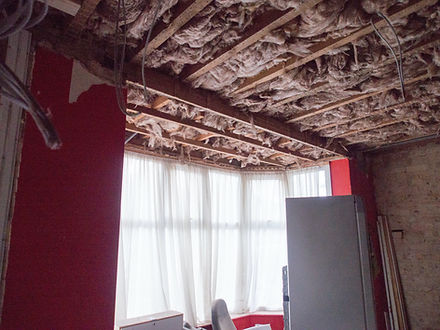
Florida Water Damage Claims: Plumbing, Heating & Air-Conditioning Leaks
A pipe bursts under the sink. A water heater fails. An AC drain line backs up into the ceiling. Water damage from inside the home is one of the most common property claims in Florida, and one of the most commonly disputed.
If your insurer denied, delayed, or underpaid your water damage claim, The Innocent Law Firm can review it at no cost.
What "Accidental Discharge" Coverage Means
Many homeowners policies cover damage caused by the sudden and accidental discharge or overflow of water from within a plumbing, heating, air-conditioning, or fire sprinkler system, or from a household appliance. Common examples:
-
Burst or cracked supply lines and pipes
-
Failed water heaters
-
AC condensate line backups and drain pan overflows
-
Washing machine, dishwasher, or refrigerator line failures
-
Toilet supply line breaks
Policy wording varies, so the exact language of your policy controls what's covered.
Why These Claims Get Denied or Underpaid
From my years representing insurance companies, these are the reasons I saw raised most often:
-
"Long-term leak" or "repeated seepage." Many policies exclude water that leaked over an extended period. The question is often whether the damage was sudden or gradual, and that's frequently disputed.
-
"Wear and tear." Insurers may argue the pipe or appliance simply wore out. The failed part itself usually isn't covered, but the water damage it caused to your home may be.
-
Access and tear-out. The policy typically won't pay to repair the failed pipe or appliance itself, but many policies do cover the cost to open walls, floors, or ceilings to reach the source, and to put them back afterward. Insurers sometimes leave this out of the estimate.
-
Water damage limits. Some Florida policies cap water damage at a reduced amount, or offer coverage options that limit how repairs are handled. Check your declarations page.
-
Mold. Mold that follows a water loss is often subject to a separate, lower limit.
-
Mitigation. Insurers may argue the homeowner didn't act quickly enough to stop the water or dry the home.
What to Do After a Water Leak
-
Stop the water, then call a licensed mitigation company to begin drying.
-
Photograph and video everything before cleanup: the source, the damaged areas, and the moisture readings.
-
Keep the failed part, whether it's the pipe section, supply line, or valve. It can be key evidence of what caused the leak.
-
Get the plumber's report in writing, including what failed and how.
-
Report the claim promptly, and keep copies of everything you send and receive.
-
Talk to a lawyer before accepting a denial, signing a release, or giving a recorded statement or examination under oath.
How The Innocent Law Firm Helps
-
Review your policy, the denial or estimate, and the insurer's reasoning
-
Work with plumbers, engineers, and estimators to document the cause and full scope of the damage
-
Present the claim with the required pre-suit notices
-
Litigate when the insurer won't pay what the policy owes
Florida Claim Deadlines Apply to Water Damage
You must give your insurer notice of a water damage claim within 1 year of the date of loss, and notice of a supplemental claim within 18 months. Many policies also require prompt notice. Report water damage as soon as you discover it.
Get a Free Claim Review
If your insurer denied or underpaid your water damage claim, call (954) 903-1737 or request a free claim review online.
This page provides general information, not legal advice. Every policy and claim is different.