
Hurricane Isaias Insurance Claims in the Florida Panhandle
Hurricane Isaias made landfall near Destin on the night of October 9, 2026, as a Category 2 hurricane. If your home or business in Okaloosa, Walton, Bay, Santa Rosa, Escambia, or another county under the state of emergency was damaged, the steps you take in the coming days can shape how your insurance claim is handled.
If your insurer delays, underpays, or denies your hurricane claim, The Innocent Law Firm can review it at no cost.
First, Stay Safe
Follow local emergency officials for current information, and do not enter a damaged structure until it is safe to do so.
Document the Damage Before Anything Changes
Insurers may inspect weeks after the storm, after repairs or weather have changed what can be seen.
-
Photograph and video everything, inside and out: roof, siding, windows, fences, ceilings, walls, floors, and damaged belongings.
-
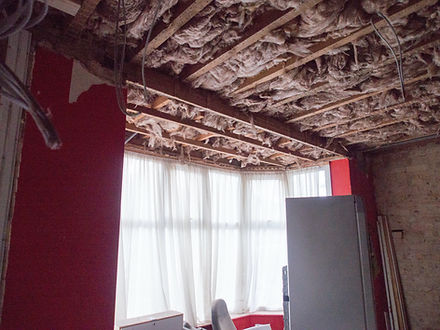
Show where water came in. If rain entered through a damaged roof, window, or wall, capture both the opening and the damage beneath it.
-
Keep a written log of what you saw, when, and any changes over the following days.
-
Make reasonable temporary repairs, such as tarping a roof or boarding a window. Photograph before and after, and keep every receipt.
-
Do not throw away damaged materials until they are photographed, and ideally until the insurer has inspected.
-
Keep a file: your policy, every letter and email from your insurer, adjuster names, claim numbers, and notes of every call.
Report Your Claim on Time
Florida law sets firm deadlines for giving your insurer notice of a property claim:
-
New or reopened claim: 1 year after the date of loss.
-
Supplemental claim (additional damage on a claim already reported): 18 months after the date of loss.
For Hurricane Isaias, the date of loss is generally October 9, 2026, the date the storm made landfall. Your policy may require “prompt” notice, which can be shorter. Report as soon as you reasonably can.
Wind or Water: Why the Cause of Damage Matters
-
Wind damage (roof, siding, windows, fences, fallen trees) is usually covered by your homeowners or commercial policy, subject to your hurricane deductible.
-
Rain that enters through a wind-created opening is usually covered by the same policy, because wind created the opening.
-
Storm surge and rising floodwater are usually excluded from homeowners policies and covered, if at all, by a separate flood policy.
When a property has both wind and flood damage, insurers sometimes attribute as much of the loss as possible to flood. If you have both a homeowners and a flood policy, report the loss under both.
North Florida also had heavy rain from a stalled front in the days before Isaias. If water got into your property before the storm, write down when each problem started and photograph it separately. Insurers may try to attribute damage to the earlier rain or to flooding.
If Your Insurer Delays, Underpays, or Denies Your Claim
Many claims are resolved without a lawyer. If yours is delayed, underpaid, or denied, you have rights under your policy and Florida law. Kimberly Innocent spent years defending insurers before representing policyholders, and she knows how carriers evaluate hurricane claims. The firm represents property owners throughout Florida, including the Panhandle, and works with your public adjuster if you have one.
Get a Free Claim Review
If your insurer denied or underpaid your hurricane claim, call (954) 903-1737 or request a free claim review online.
This page provides general information, not legal advice. Every policy and claim is different.